Leaf Guide
Fronto Leaf: A Guide to Whole Leaf Tobacco Wraps
Fronto leaf is a whole, air-cured natural tobacco leaf from the Caribbean, sold folded with its stem attached and used as a wrap.
Updated · RYO Tobacco Wraps Editorial Team
Compare Wrap Types →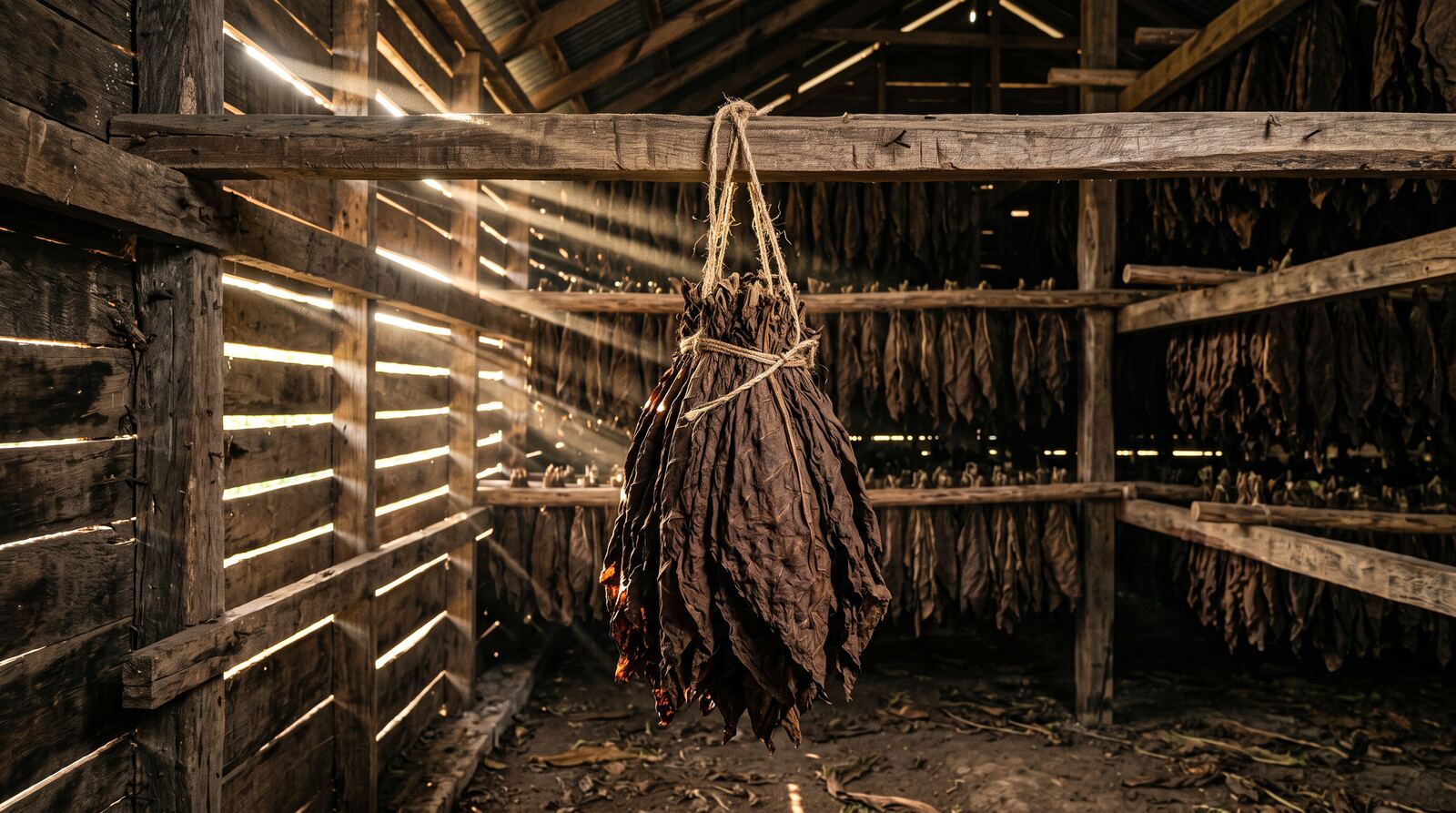
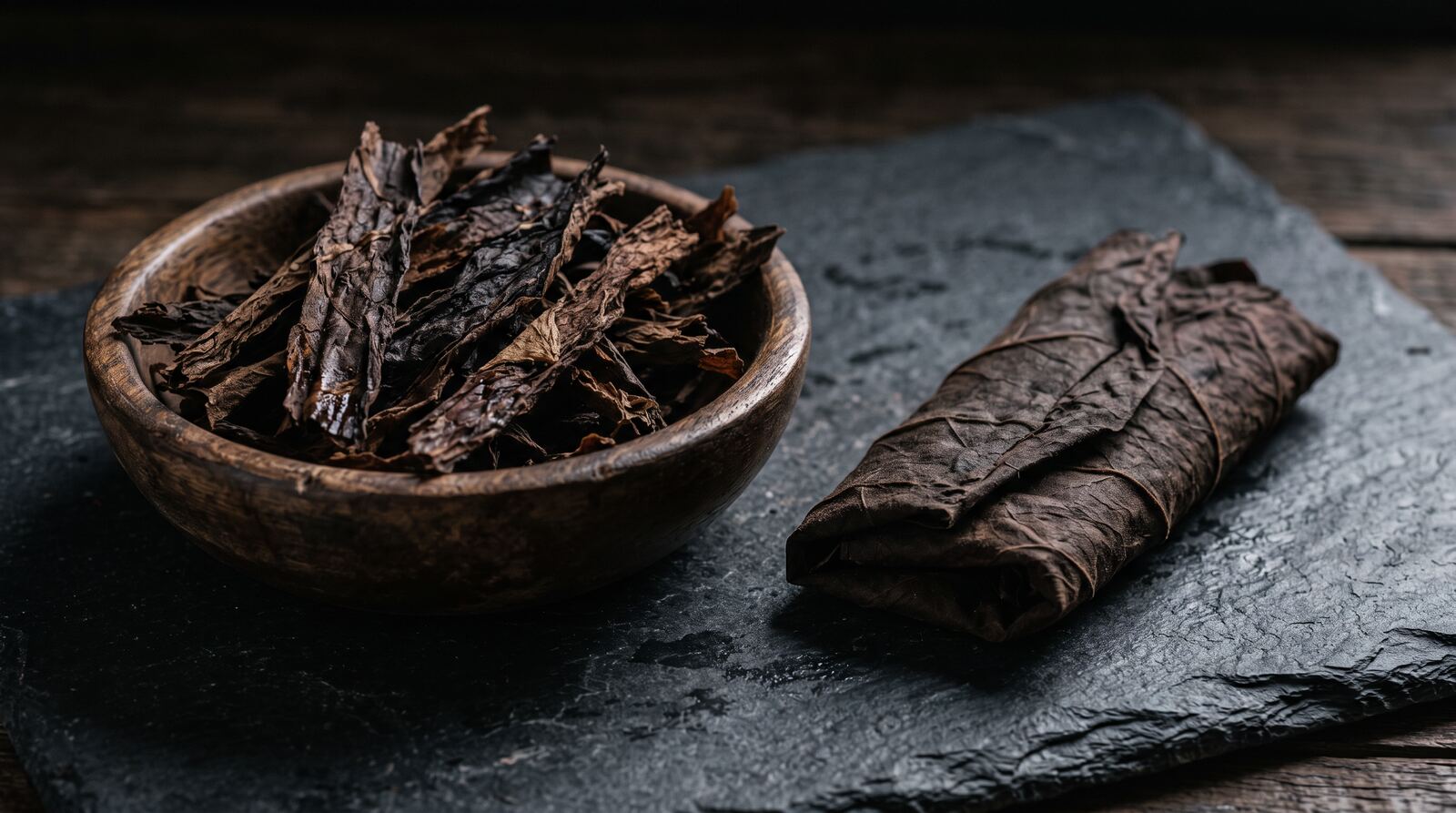
Before there were pre-cut wraps and foil pouches, people who rolled their own used a whole leaf. Fronto is that leaf: a full, dark, air-cured tobacco leaf, folded and sold with the stem still in place. It is the most natural tobacco wrap you can buy and the parent of grabba.
What Fronto Is
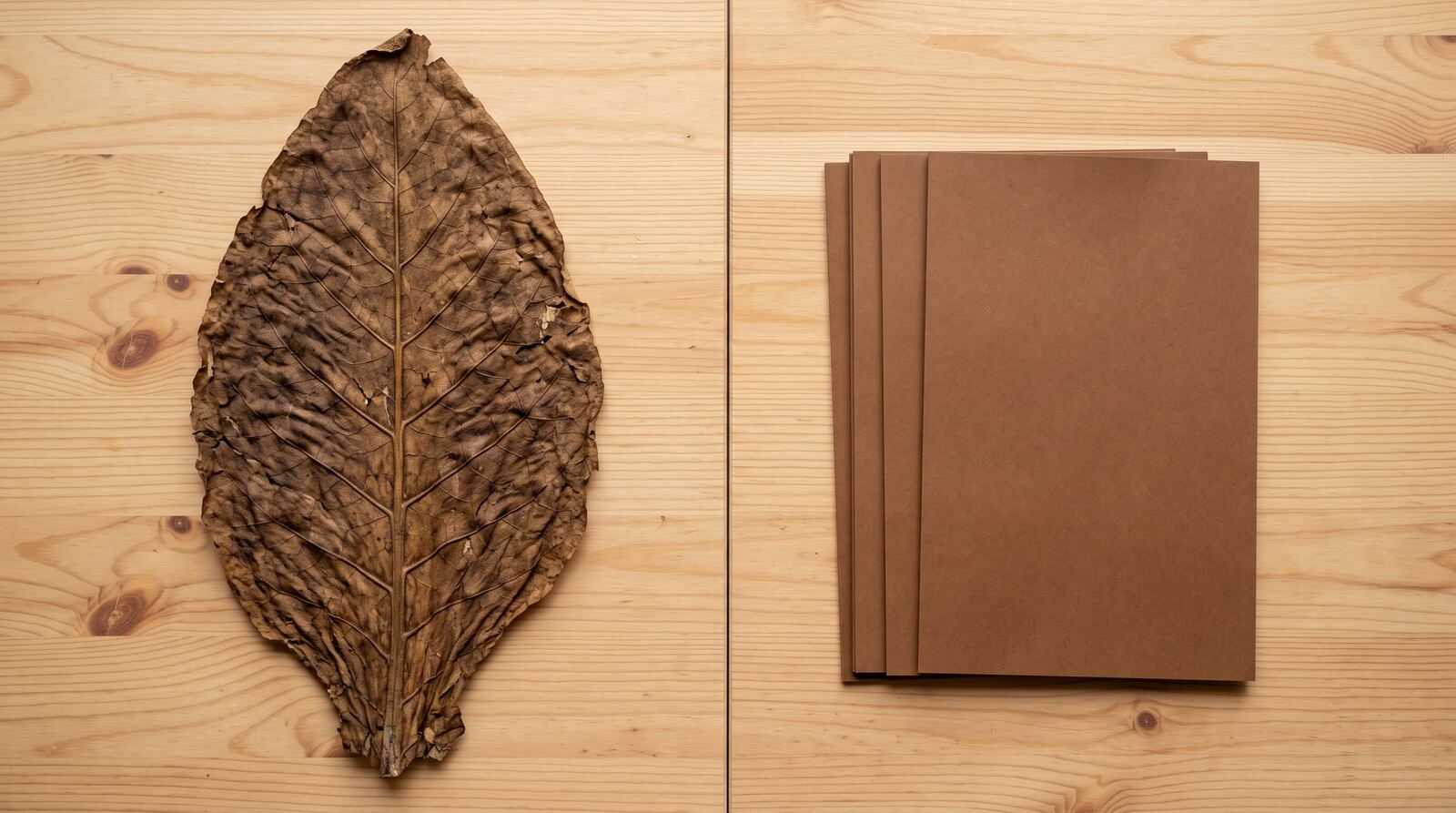
Fronto is natural tobacco leaf with minimal processing after curing. It is typically grown in the Caribbean, with Jamaica, the Dominican Republic and neighboring islands named as traditional sources, though the exact origin of a given bag is rarely stated. Because it skips most of the fermentation and sorting that premium cigar wrapper goes through, it is thicker, darker and more variable than a cigar wrapper, with prominent veins.
How It's Cured
Fronto is air-cured: harvested leaves hang in ventilated barns for weeks while they slowly yellow and then turn brown as chlorophyll breaks down. Some leaf is also lightly fire-cured, smoked over smoldering wood, which gives a smoky edge. The result is a dark, oily leaf with a sweet, earthy aroma. For more on curing methods, see our sister site's guide to how cigars are made.
Fronto vs. Pre-Cut Natural Leaf
Pre-cut natural leaf wraps are trimmed from leaf into even, ready-to-roll sheets, often with the vein already removed. Fronto is the whole leaf, so you do the trimming yourself. That makes fronto cheaper per wrap and lets you choose the best parts of the leaf, but it takes more practice.
How to Prep a Fronto Leaf
- Check the moisture. The leaf should bend without cracking. If it is brittle, rest it in a closed container with a humidity pack for a few hours.
- Unfold it gently. Lay it flat with the smoother side down.
- De-vein it. Pinch the thick center stem at the base and peel it out, or cut alongside it with a sharp blade. This gives you two halves.
- Trim to size. Cut a rectangle from the flattest part of a half, avoiding large side veins and holes.
- Roll. Fill evenly, tuck, roll away from you and seal the edge with a little moisture.
Leftover pieces and the trimmed edges are what is often crumbled and used as grabba.
Choosing a Good Leaf
Look for leaves that are supple, evenly colored and free of large holes. A lighter, thinner leaf is easier to roll; a thick, heavily cured leaf is stronger and better broken up. A clean, sweet smell is a good sign. Sourness, mustiness or fuzzy white spots mean mold.
Storing Fronto
Keep fronto sealed and flat, ideally between 65 and 70 percent humidity. A plastic container or a small humidor with a two-way humidity pack works well. Do not spray water directly on the leaf; it encourages mold and can stain.
Strength and Health
Dark air-cured tobacco is generally higher in nicotine than the light leaf used in most cigarettes and mild cigars, so fronto is strong. It is tobacco and carries the same risks as any tobacco product. Sale is limited to adults 21 and over in the U.S.
Frequently Asked Questions
What is fronto leaf?
A whole, air-cured natural tobacco leaf from the Caribbean, sold folded with its stem attached.
What is the difference between fronto and grabba?
Fronto is the whole leaf; grabba is the same leaf torn or cut into pieces.
How do you de-vein a fronto leaf?
Pinch the center stem at the base and peel it out, or cut along it with a sharp blade, leaving two flat halves.
How do you rehydrate dry fronto?
Rest it in a closed container with a humidity pack for a few hours instead of wetting it directly.
Is fronto stronger than a cigar wrapper?
Usually yes. It is a thick, dark, minimally processed leaf that is generally high in nicotine.